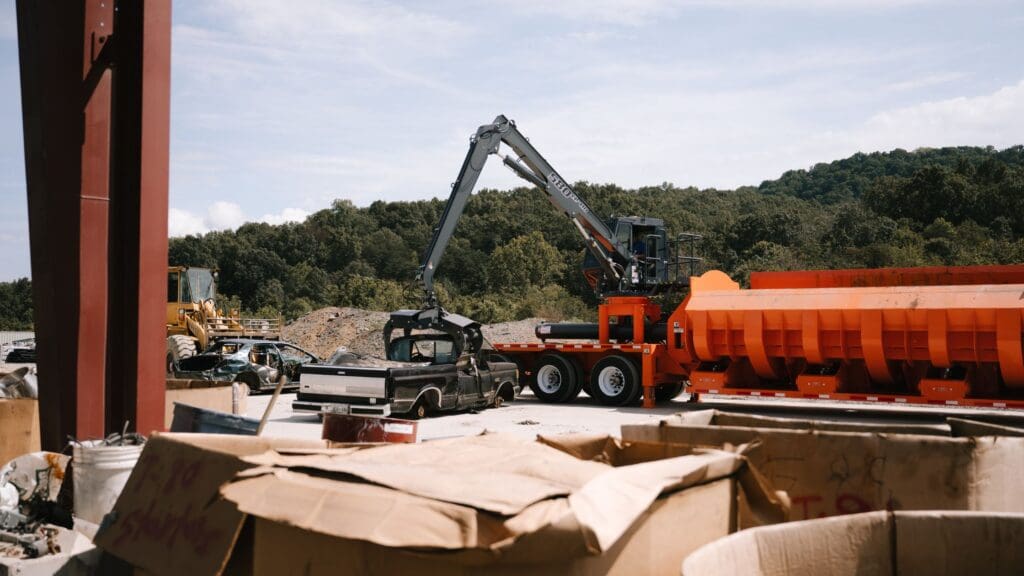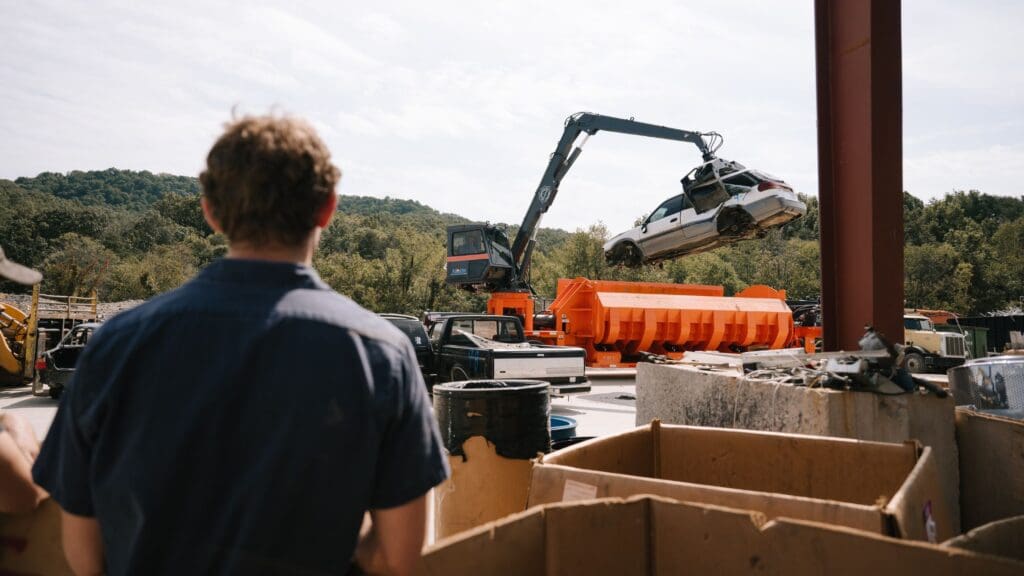
A scrap logger/baler is heavy-duty industrial equipment subject to intense pressures during regular operation. No matter how satisfied you are with your current unit, it’s wise to make early plans that accommodate for its eventual replacement. The typical lifespan of a scrap metal baler is measured in operational hours, not years.
Machines that have operated for more than 10,000 hours will typically start requiring structural and mechanical repairs. These repairs may call for hydraulic component replacement or rebuilding, so they can be both time-consuming and costly. Despite the costs, they are necessary to extend the machine’s profitable service life.
That said, the 10,000-hour mark isn’t a milestone where failure becomes imminent.
When owners and operators are proactive about maintenance and conscientious of the machine’s operating limits, a well-designed baler may last significantly longer than 10,000 operating hours. At Aljon, we can proudly say that a number of our models have been reported to last for 30,000 hours or more under ideal conditions.
Manufacturing quality is a factor, but not even the best scrap equipment lasts long beyond average without the right support. Organizations that see their equipment last for 20,000 to 30,000 hours tend to be those that have strong maintenance programs in place and handle minor issues before they turn into big problems.
What Factors Affect the Longevity of Your Scrap Equipment?
Several factors impact the longevity of any scrap baler:
- Access to Parts: Over time, correct replacement parts for older models can become increasingly scarce.
- Lack of Routine Maintenance: Not keeping up with routine maintenance can greatly impact longevity.
- Working Conditions: The machine’s operational environment matters! Machines have more issues sooner in a high-output yard than in a low-output yard, thanks to daily hours. Poor weather, storage in areas with snow or ice, and seating the unit on dirt rather than on concrete all add to wear and tear.
Common Warning Signs of Scrap Equipment Failure
Scrap logger/balers each have different operational parameters, but they all share some engineering features in common. The early signs of pending failure tend to take a few recognizable forms. These warning signs can be easy to overlook at first, but it’s important to be alert to them and take action promptly.
Some of the most common early warning signs of scrap equipment failure include:
- Fault Codes: Don’t ignore fault codes when reported by your scrap equipment.
- Production Rate: Production may significantly decline before faults are visible.
- Equipment Needs Operational Changes to Function: For example, a unit’s crane doesn’t work, so the operator must use different loaders. The problem might seem to be confined to the crane itself, but it affects the entire scrap baler. Operators should report and document any adjustments a unit requires.
- Leaks: Leaks on the machine appear to be getting worse; “Band-Aid” fixes are piling up over time.
The Cost of Scrap Equipment Repairs Can Be a Major Red Flag
As scrap logger/balers head toward replacement, operating cost is one of the most noticeable signs of overall performance degradation. Generally, scrap equipment repairs are the biggest contributor to cost for an older machine. It helps to think of these repairs in two categories:
- “Nickel & Dime Repairs”: When your machine is racking up ample downtime, and you find yourself paying for small repairs often, lost production can turn into major ongoing costs to your scrap yard.
- Major Component Replacement: Some major components inside a scrap logger/baler can cost tens of thousands of dollars to replace. When these components show signs of impending failure, it can be the best financial move to source a new unit rather than spend large amounts on ongoing major repairs.
When Does Replacing Scrap Equipment Make Financial Sense?
Sometimes, maintaining your existing unit is the best way to manage costs to your scrap yard. Other times, securing a new unit now will save you major expenses down the line. Instead of doing all the detective work yourself, trust the team at Aljon. We’ll work with you to maintain your machine and consult with you when it may be time to consider an upgrade or replacement. If you do replace your unit, we’ll make the process easy.
If you notice these serious signs, now’s a good time to connect with Aljon:
- Equipment downtime is impacting your scrap yard’s productivity.
- Recurring repair costs are eating into the cost of an all-new unit.
When you choose Aljon, you’ll always have access to the experts who designed and manufactured your scrap equipment right here in the United States. We are ready to help you get the most value from your purchase – from the first consultation to delivery and the full life-cycle of your equipment.
Contact us to learn more or get started.