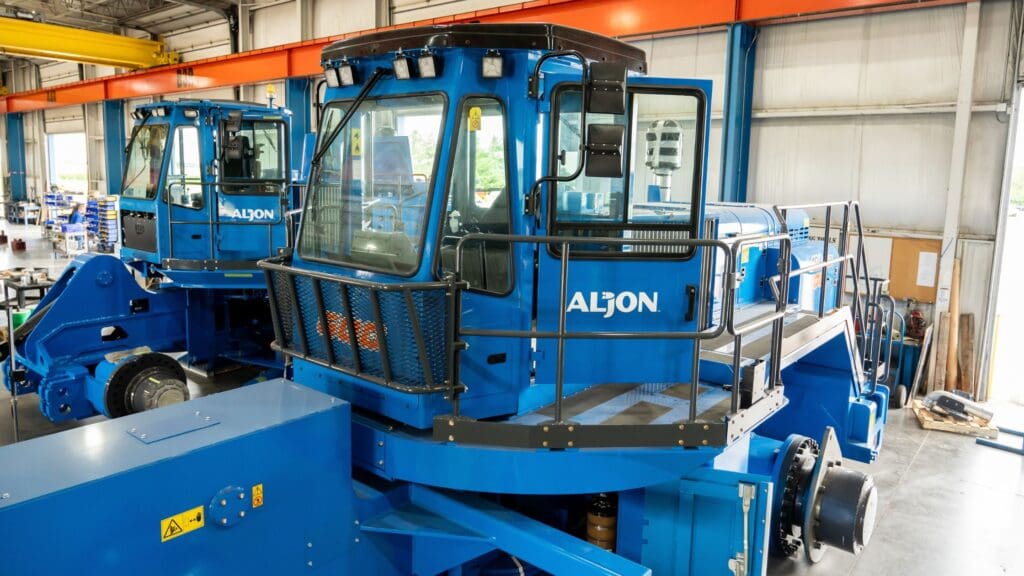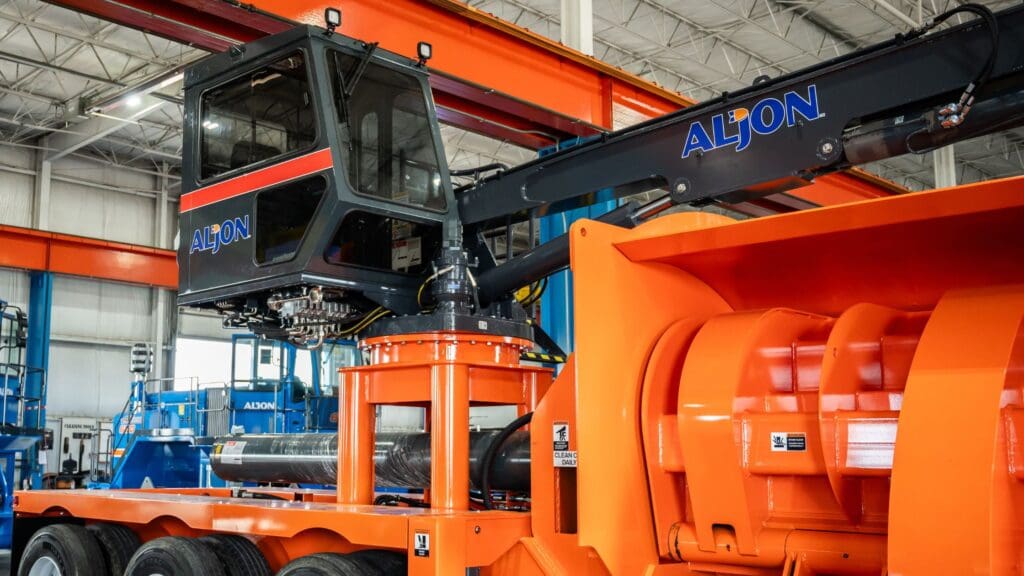
The most important piece of equipment at any landfill operation is your landfill compactor. It will determine the pace of your output for thousands of operational hours. Plus, it’s a major investment and ongoing cost that can influence your entire operation. With that in mind, selecting the right equipment is crucial.
While many landfill compactors advertise the unit’s size and operational longevity, these are only two of several factors that should influence your purchasing decision. Advanced features and engineering concerns are part of a sound final decision on the best landfill compactor for you.
Six Considerations for a High-Performance Landfill Compactor
A good landfill compactor doesn’t just compact waste. It provides you with optimal throughput and safety while minimizing ongoing costs and downtime. Sometimes, landfill compactor brands focus too much on just one side of the equation. Here’s what to look for in any truly high-performance landfill compactor you buy.
1. Weight and Compaction Force
Higher compaction force means more efficient use of your landfill’s available space. Excellent compaction force is one mark of a unit that stands out. The Aljon ADV 500 landfill compactor provides approximately 1,700 lbs of “in-place density” each year. That enables landfills to take in nearly $2 million more in revenue over the lifetime of the property compared to competitors. Aljon landfill compactors are purpose-built with weight and force in mind.
2. Wheel and Cleat Design
Compaction isn’t just about a unit’s weight. The design of the compactor wheel and its cleats will make a difference every day, and that difference only adds up over time. The wheel must offer sufficient surface area for enough cleats to break down waste into small, space-efficient particles. Cleats must penetrate through the waste and into the ground for optimal performance. Cleats with a length of four inches or less have lackluster compaction compared to heavy-duty cleats of eight or ten inches in length. For best results, half the cleat must completely penetrate waste and reach into the compacted ground.
3. Fuel Efficiency
Fuel usage is critical to landfill operations. Inefficient equipment can result in major fuel cost overhead – and the problem grows when you consider that even one compactor can burn more than 100 hours of fuel in a 12-hour workday. Luckily, there is plenty an operator can do to ensure equipment keeps working at its best.
Consistently operating at a unit’s maximum engine speed is a highly effective way to maintain optimum fuel efficiency and limit idling time. Ideally, operators should never sit idle in a machine, especially for extended periods of time – instead, they should turn it off until ready to resume active operation.
While a landfill compactor is active, operators should keep an eye on the GPS or other system that keeps them informed about which areas require compaction. As operators gain experience, they should strive to compact only areas that need it. Unnecessary compacting is a waste of time and fuel.
4. Visibility and Operator Comfort
Twelve hours isn’t just a long time for your landfill compactor – it’s a long time for any operator, too. After the weight and wheel design, operator comfort is the most important consideration to keep in mind. If a unit is not comfortable to operate, most operators will find reasons to use another one instead. A comfortable seat and ergonomic controls both enhance the value you get from your machine: when it’s easy to use for long periods of time, it’s that much more likely to be selected by operators who have other options.
5. Serviceability
Ease of access and serviceability cut down on the hassles that can cause preventive maintenance to slip down the priority list. When a landfill compactor requires panels and doors to be removed for maintenance, standard maintenance tasks take longer and lead to more downtime. In the most effective landfill compactor designs, the filters and access points are easily reachable for anyone who needs to inspect them.
6. Uptime
To keep a landfill compactor running and efficient, the machine’s maintenance and care should be carried out exactly as specified in the service manual. It’s been proven that good daily maintenance habits combined with regular services completed on schedule will prolong the life of a landfill compactor, helping it remain a valuable asset for years to come.
Aljon Landfill Compactors Help You Make and Save More Money
With more than 60 years of experience, the engineering experts at Aljon have had plenty of time to refine our landfill compactor designs to bring even more value to our customers. And since every Aljon ADV 500 landfill compactor is manufactured right here in the United States, it’s always easy to get the replacement parts you need for your maintenance plan. You can even get advice directly from the team that worked on your specific compactor model.
Contact us to find out more or get started. We look forward to helping you soon.